
Written by Rebecca Nichloson
Playwright/Screenwriter Keith Josef Adkins is committed to providing a space for African American artists to explore and express the nuances of the black experience. In addition to writing about black life in his own theatrical and film projects, Adkins created The New Black Fest, an annual festival which brings together black playwrights from around the world to present works with an African American focus, such as Hands Up, a series of plays written by black men in response to the deaths of Trayvon Martin and Mike Brown, as well as institutionalized racism.
This Fall, at the Martin Segal Theater at CUNY Graduate Center, five dynamic playwrights will present a series of dramatic works called Un-Tamed: Hair Body Attitude: Short Plays By Black Women, which will center on the black female experience and it’s relationship to black culture and social justice issues facing the African American community.
Featured writers include Nikkole Salter, an Obie-award winning actress and Pulitzer- Prize nominee, and Playwrights Chisa Hutchinson, Corie Thomas, Lenelle Moise, and Jocelyn Bioh.
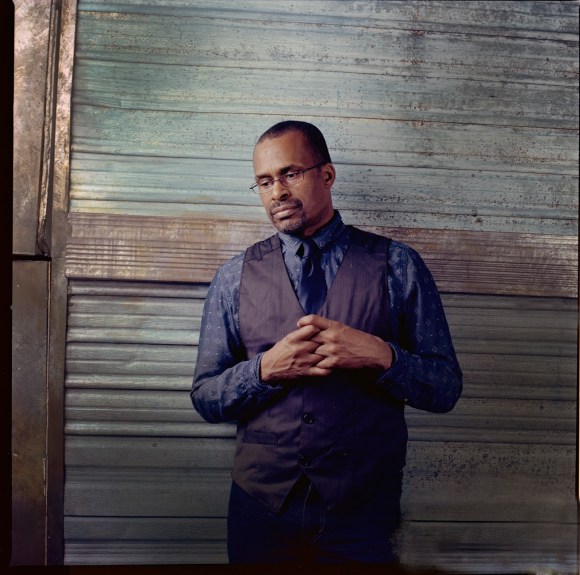
Tell me more about Un-Tamed: Hair Body Attitude.
Adkins: In the tradition of Facing Our Truth and Hands Up, I commissioned five black women playwrights to write short plays on things that resonate around hair, body, and attitude in relation to the trending conversations about women parody.
With Hands Up, where I commissioned six black male playwrights, the conversation was ‘who [are] the leaders of the Black Lives Matter movement?’ Which was two or three black women.
There have been conversations about the representation of the presence of female voices in [discussions] about social justice, policing, and profiling. During the time I commissioned these playwrights, I was under the impression that the profiling issue was a black male issue, that it was predominant among black men. I still believe that to be true, statistically. But there has to be a more integrated conversation around profiling. It can’t just be about black men. There are women — Sandra Bland, the young woman at the Texas swimming pool party that was slammed [down]— so, obviously, this is a major issue and a concern.
What kind of discussions are being had in relation to black women, patriarchy, and racial profiling?
Patriarchy often makes us blind to the issues facing women. I wanted to commission five black women to write plays that give them a platform and a space to explore and expose their complexity around any issue that they feel is important for them to discuss. It was important to me that I didn’t do this on my own, but that I brought in a woman to help curate, to kind of educate me about what’s really important. So I brought in Dominique Morisseau to co-curate this particular commission. We have all our five playwrights and they’ve turned in their first drafts. It’s just really exciting. It’s going to be some really strong work. It already has a slated presentation for October at CUNY Graduate Center in New York City at the Martin Segal Theatre.
How have the events in Ferguson, and the wave of discussions on race and police brutality, impacted your work as a playwright and your perspective on The New Black Fest?
I’ve always been interested and dedicated to diversity within the black experience. I feel like the conversation around race, racism, and privilege; particularly within the theater community, is prompting many people to reconsider how they’ve been thinking about blackness. They are paying closer attention to blackness. These conversations have given black theater practitioners license to discuss and build art around things that have always mattered to them, that they often felt they were silenced around.
Because of Black Lives Matter and other social justice concerns, there seems to be an un-silencing.
To learn more visit newblackfest.org and broadwayblack.com.
Photography credit: womenintechchat. Originally appeared on BlackEnterprise.com
 Rumination Garden: Consulting | Creative Practice | Cultural Advocacy